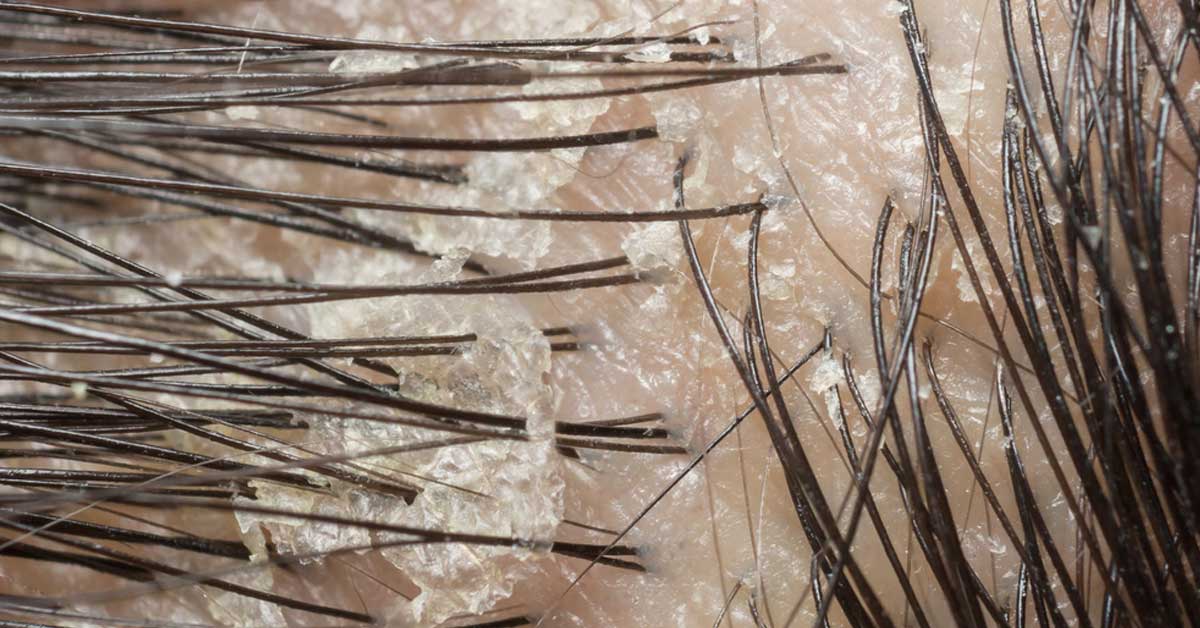
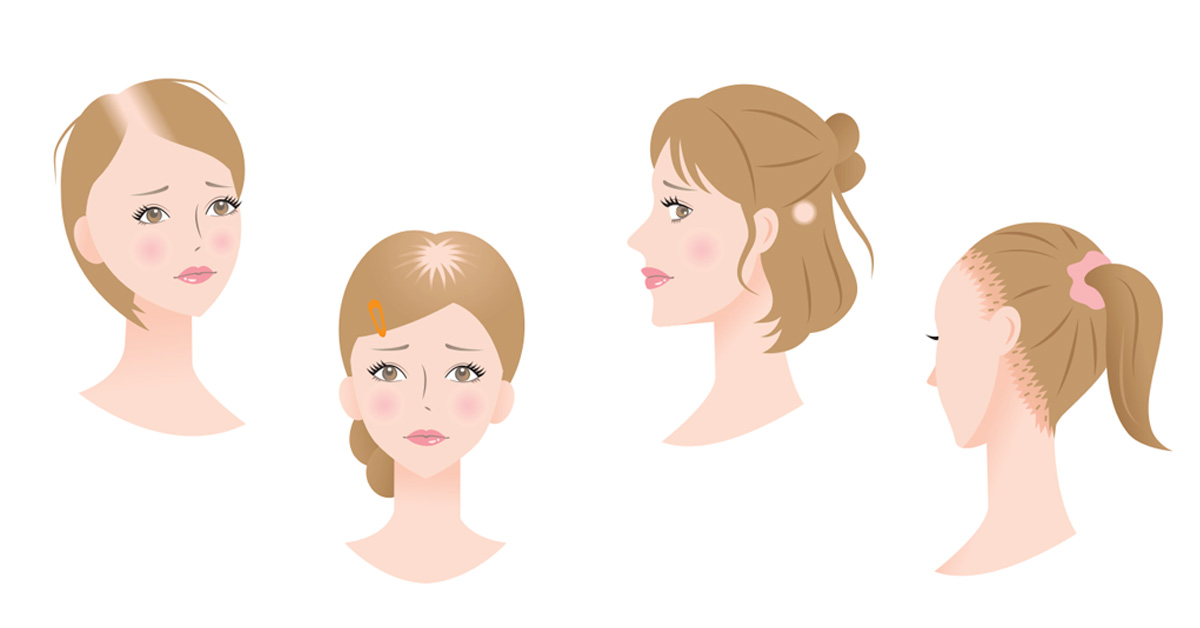
The health of your skin is linked to the health of your hair. Different skin conditions such as eczema and seborrheic dermatitis can impact your scalp’s health. It’s not all that uncommon either; up to 5% of the population suffers from scalp eczema.
- Posted on
- Hair Loss, Hair Loss in Men, Hair Loss in Women, Hair Restoration, Medical Conditions
How Do You Make Your Hair Grow Faster? Everybody is different, and post-ARTAS® transplant procedure, hair regrowth does not involve any serious shortcuts. Harsh hair care products definitely won’t help you grow your hair faster. Hair treatment products containing sulfates should be avoided as they are harsh on your scalp
- Posted on
- ARTAS®, FUE, Hair Restoration, Robotic Hair Restoration
Every April 30 is Hairstyle Appreciation Day, a day designed to honor hairstyles and those who create them. Hair and hairstyles are getting more attention than ever with the animated short film, Hair Love, winning an Oscar.
- Posted on
- Alopecia, Hair Loss, Hair Loss in Men, Hair Loss in Women
Even though Tax Day moved this year, National Stress Awareness Day is still April 16 (it falls after Tax Filing Day because of the stress it causes). Because of the COVID-19 outbreak, finding ways to deal with stress is more important than ever.
- Posted on
- Alopecia, Hair Loss, Medical Conditions, Psychological Effects, Thinning Hair
Scheduling a hair loss consultation is a crucial step in tackling hair loss issues. When you make the decision to make that call, it represents your first concrete step to take control of permanent or temporary hair loss. Let’s look at what a conversation about hair loss entails, including when
- Posted on
- Hair Loss, Hair Loss in Men, Hair Loss in Women, Medical Conditions, Psychological Effects
You’ve had a hair restoration procedure here at RHRLI, the grafts have healed, and now you’re waiting to see results. It’s perfectly normal for the hairs in the transplanted follicles to fall out and go dormant for up to two months as part of the healing process. New hairs will
- Posted on
- ARTAS®, FUE, Hair Restoration, Robotic Hair Restoration
Modern life is hectic and stressful. Sleep deficits are far too common as we try to get everything done. Doctors have been sounding warnings about how lack of sleep affects health, but does that include hair growth?
- Posted on
- ARTAS®, Hair Loss, Hair Restoration, Medical Conditions, Psychological Effects, Thinning Hair
March 24th is Diabetic Alert Day. The American Diabetes Association uses this day to raise awareness of this chronic condition.
- Posted on
- Alopecia, ARTAS®, Hair Loss, Medical Conditions, Non-Surgical Treatment, Robotic Hair Restoration, Thyroid Disease
If you see a lot more people wearing purple on March 26 than usual it’s because “Purple Day” is another name for Epilepsy Awareness Day. Epilepsy is a chronic condition that involves recurring, unprovoked seizures, sometimes caused by a brain injury or family genetics, but sometimes the cause is unknown.
- Posted on
- Alopecia, Hair Loss, Hair Loss in Men, Hair Loss in Women, Medical Conditions
National Registered Dietitian Nutritionist Day is the second Wednesday in March, which means this year it falls on March 11. That makes it a perfect time to address some common questions we get about nutrition and hair loss.
- Posted on
- Alopecia, Diet and Nutrition, Hair Loss, Hair Restoration, Medical Conditions, Thyroid Disease
If you’re like many taxpayers expecting a refund after you file your 2019 taxes, you’ve got a few choices about what to do with your potential income tax refund. Many of our clients use their tax refund check for their ARTAS® hair restoration procedure.
- Posted on
- ARTAS®, FUE, Hair Loss, Hair Restoration, Robotic Hair Restoration, Thinning Hair
Autoimmune diseases are a grouping of more than 80 chronic diseases, which are frequently debilitating and sometimes life-threatening. The National Institutes of Health estimates that up to seven percent of the population – that’s up to 23.5 million Americans – have an autoimmune disease.
- Posted on
- Alopecia, Hair Loss, Hair Loss in Men, Hair Loss in Women, Medical Conditions, Thinning Hair
Many issues can cause hair loss, from genetics and hormones to medication to tight hair styles. We’ve already examined the impact of hats on hair loss, but what about helmets?
- Posted on
- Alopecia, ARTAS®, Hair Loss, Hair Loss in Men, Hair Loss in Women, Thinning Hair
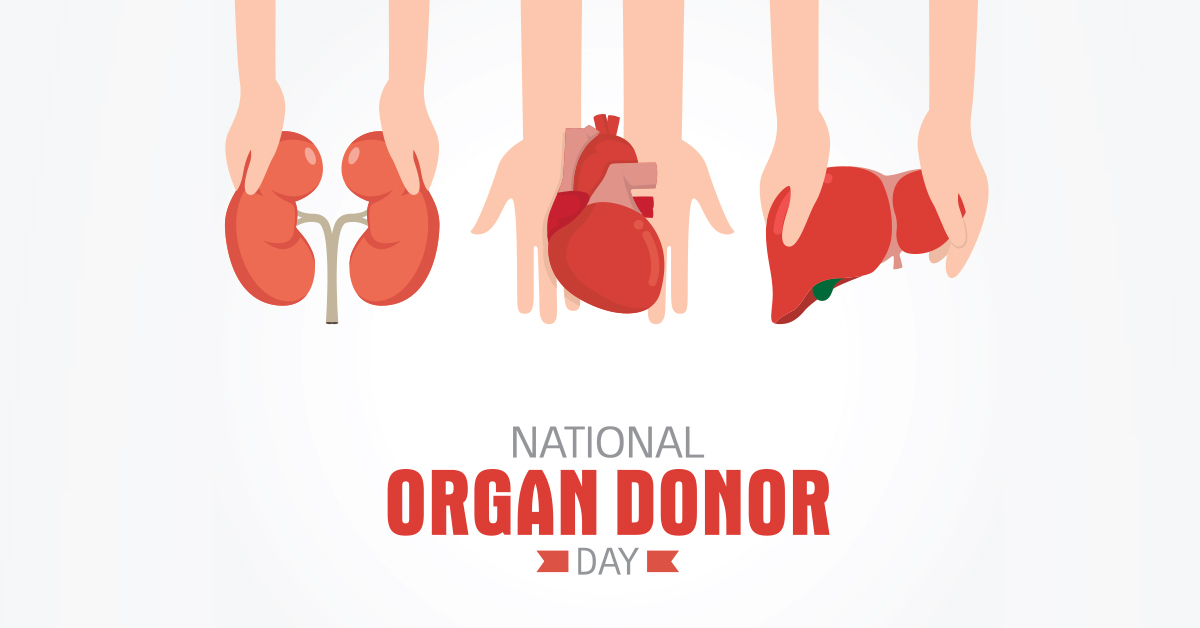
After genetics and hormones, which are factors in male/female pattern hair loss, illness and medication side effects are key factors in hair loss. With National Organ Donation Day coming on February 14, it’s a great time to examine the role of organ transplants in hair loss – as a possible
- Posted on
- Alopecia, Hair Loss, Hair Loss in Men, Hair Loss in Women, Robotic Hair Restoration
Hair loss is surrounded by myths. Everything from sunshine and shampoo to your mother has been blamed for hair loss. While yes, genetics are a main culprit in hair loss, don’t blame mom or what you put on your head.
- Posted on
- Alopecia, Hair Loss, Hair Loss in Men, Psychological Effects, Thinning Hair
Alopecia is the medical term for hair loss, but it can come in many forms. The most common form of hair loss is androgenetic alopecia, which is more commonly known as male (or female) pattern baldness. Another very common form of hair loss is traction alopecia, which means hair loss
- Posted on
- Alopecia, ARTAS®, Hair Loss in Men, Hair Loss in Women, Hair Restoration, Pattern Baldness, Psychological Effects