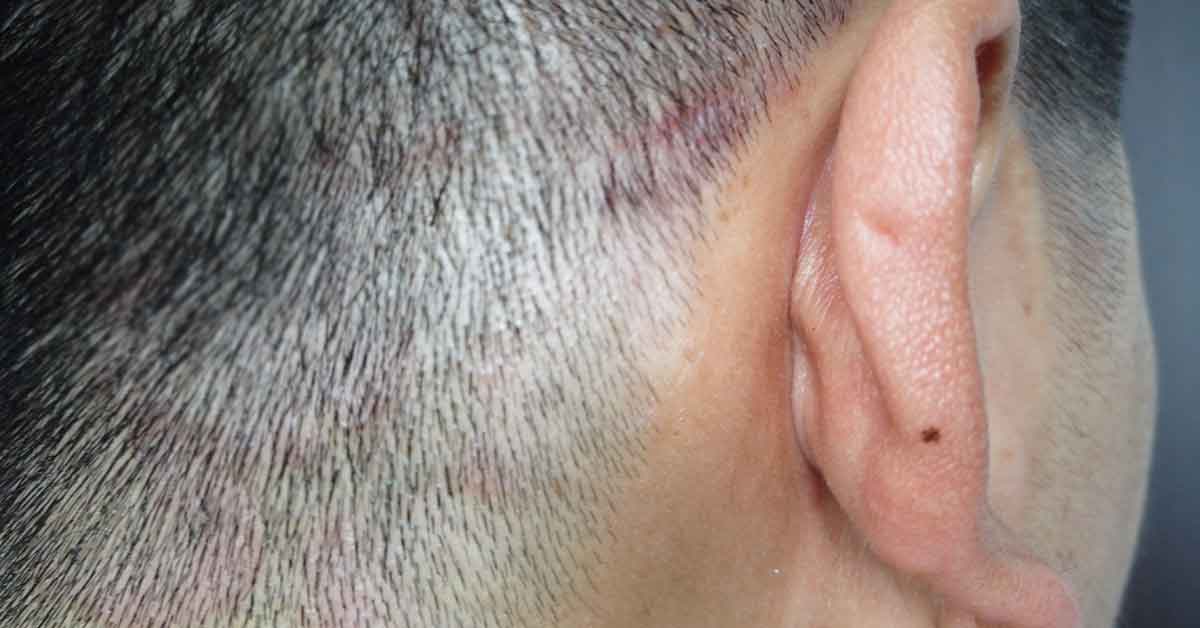
Tinea Capitis is better known as ringworm; specifically of the scalp. As you may know, ringworm is not a worm but rather a topical fungal infection. It causes patches of scaly, itchy skin to pop up across your scalp which damages your hair follicles and causes bald spots. While Tinea
Posted on
Hair Loss, Hair Loss in Men, Hair Loss in Women, Medical Conditions, Pattern Baldness, Thinning Hair
Hair loss is commonly associated with men, but women may also experience hair loss as they age. Because menopause is the result of a lowering of the production of hormones in the body, many physical and emotional side effects occur. Some of the more commonly known side effects are hot
Posted on
ARTAS®, Hair Loss in Women, Hair Restoration, Pattern Baldness, Psychological Effects, Thinning Hair
Many of us think of gray hair and hair loss as a sign of aging. By the time we’re 35, approximately two-thirds of men and forty percent of women have been affected by some level of hair loss. Additionally, anywhere from six to twenty-three percent of adults can expect at
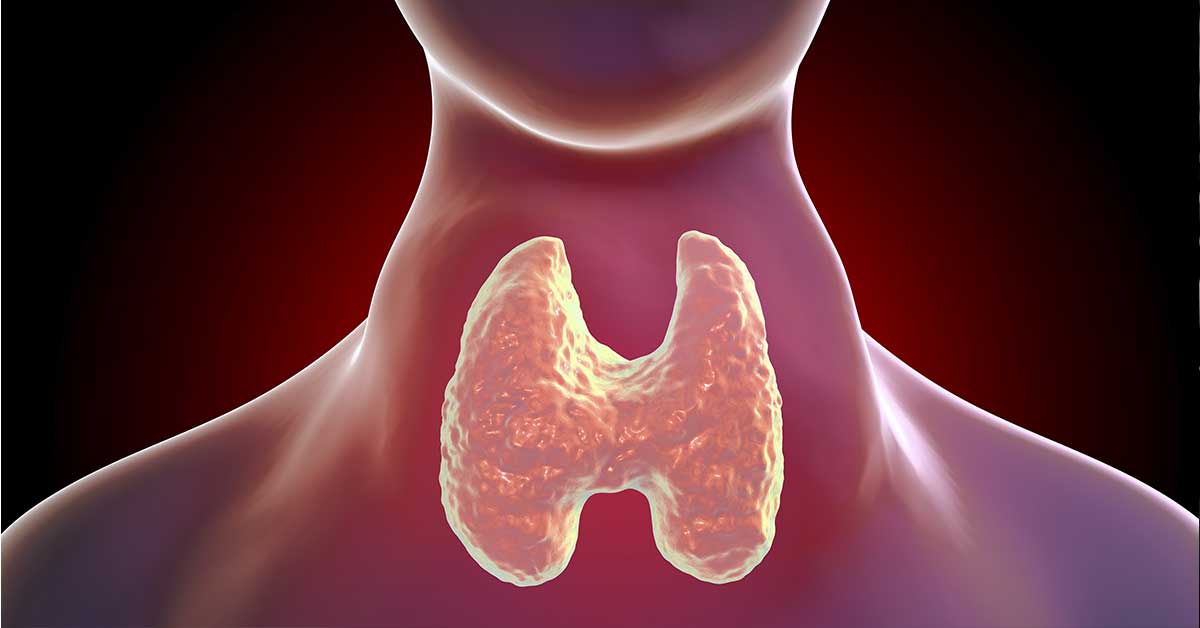
Graves’ disease is an autoimmune disorder that affects the thyroid. In autoimmune diseases, the body’s immune system misinterprets another part of the body as the enemy and attacks it. The thyroid is part of the endocrine system. This small gland in the neck controls how your body uses energy, which
Posted on
ARTAS®, Hair Loss, Hair Loss in Men, Hair Loss in Women, Hair Restoration, Medical Conditions, Thyroid Disease
If you have had COVID-19 or know someone who has, side effects can continue for months after recovery. If one of those side effects is hair loss, you should know that you’re not alone.
Posted on
ARTAS®, FUE, Hair Loss, Hair Restoration, Medical Conditions, Psychological Effects
Santa Claus tends to be depicted wearing a hat for a reason – art showing the jolly old elf without his signature white-trimmed red cap show that he suffers from hair loss. Sometimes it’s classic male-pattern baldness with a completely bare head except for fringe on the sides. Less often,
Posted on
ARTAS®, Diet and Nutrition, Hair Loss, Hair Restoration, Medical Conditions, Non-Surgical Treatment, Thinning Hair
Something that many people don’t consider, understandably, is how pregnancy can affect your hair. Women account for up to 40% of Americans that suffer from hair loss – through pregnancy, stress, medication, and age.
Posted on
ARTAS®, Hair Loss, Hair Loss in Women, Hair Restoration, Medical Conditions, Thinning Hair, Thyroid Disease
Someone could be experiencing hair loss for one of many reasons. Factors such as stress, a hormonal imbalance, or genetics can all be factors in an individual’s hair loss or thinning.
Posted on
Alopecia, ARTAS®, Diet and Nutrition, Hair Loss, Hair Loss in Men, Hair Loss in Women, Medical Conditions, Non-Surgical Treatment, Thinning Hair
Proper hair treatment is essential to prevent natural hair from breaking or shedding. First, trim split ends to prevent further damage. Periodically deep condition your hair – but also occasionally use a clarifying treatment to prevent product build-up. Avoid using heat on your hair and seal your ends. A protective
People wanting solutions to their hair loss is nothing new and, for thousands of years, wigs were the best solution because – unlike today with ARTAS® – no good treatment options existed. However, wigs were also a fashion statement during certain points in history, such as the period depicted in
Hair loss of any kind can be stressful, but seasonal hair loss usually is not a serious problem. However, the term “seasonal hair loss” is more complex than you may assume, so let’s unpack what that can actually mean.
Posted on
Alopecia, Hair Loss, Hair Loss in Men, Hair Loss in Women, Hair Restoration, Medical Conditions, Thinning Hair
Natural blondes are hard to come by. In fact, only about 2% of the global population is blonde. That is in large part because blonde hair originated from a genetic mutation more than 10,000 years ago and is connected to a recessive gene. Some false reports have claimed that blondes
Posted on
Alopecia, Hair Loss, Hair Loss in Men, Hair Loss in Women, Hair Restoration, Thinning Hair
It’s that time of year again. Men all over the country are opting to hold off shaving for the whole month as a part of No Shave November or Movember. While these two events are often lumped together and can sound like they’re the same thing, there are some big
Thyroid issues are one of the most common health problems that can affect hair and lead to hair loss. However, people can suffer from a variety of thyroid conditions, and they are by no means uniform in their symptoms. So yes, thyroid hair loss is a very real medical issue.
Posted on
ARTAS®, Hair Loss, Medical Conditions, Thinning Hair, Thyroid Disease
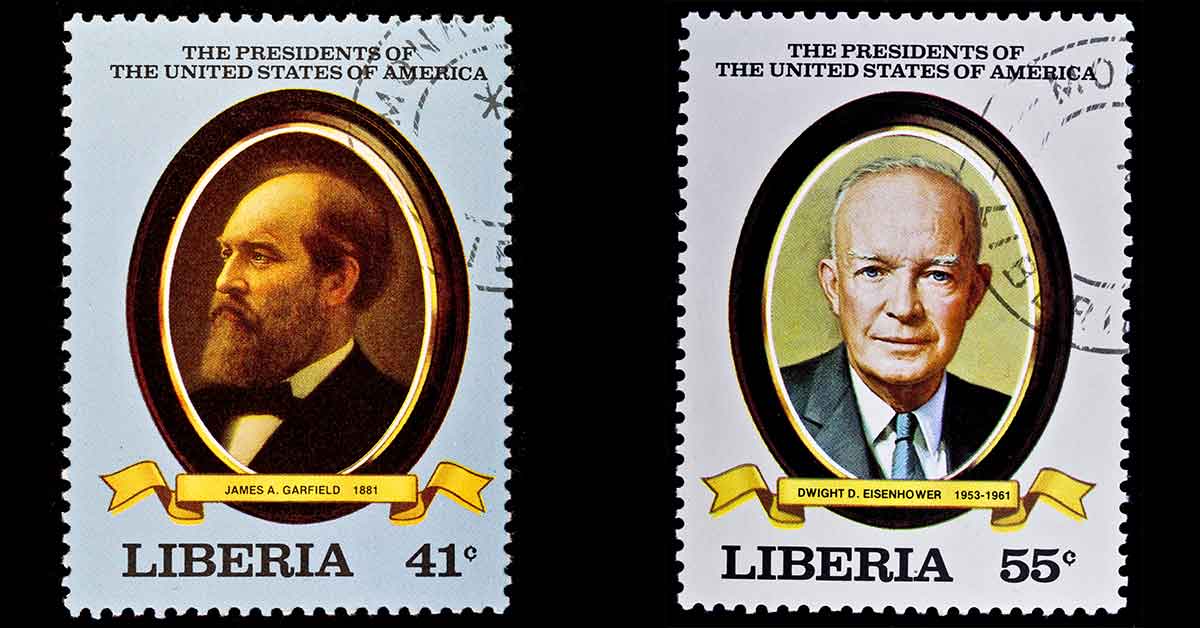
Every time a presidential race comes along, “electability” becomes a topic of conversation. The much-repeated conventional wisdom is that candidates with hair loss do not win. In reality, the topic of baldness and politicians is more complicated – and the effect of baldness and elections even more so. The short
Posted on
Hair Loss, Hair Loss in Men, Hair Restoration, Thinning Hair
Dressing up for Halloween is fun. That’s why costumes for adults have been a growing trend for the past decade. But can Halloween hair color and wigs cause hair loss?
Posted on
Alopecia, ARTAS®, FUE, Hair Loss, Hair Loss in Men, Hair Loss in Women, Hair Restoration
Contact Us Today
Lorem ipsum dolor sit amet, consectetur adipiscing elit. Nullam tristique sagittis convallis. Duis nec felis volutpat, mattis mi vitae, malesuada nibh. Proin dignissim ullamcorper.